
Why people with POTS need salt: Benefits & considerations
August 29, 2025
- Higher salt intake may support people with POTS by expanding blood volume, which can reduce dizziness and fainting.
- More salt can improve circulation and help steady heart rate responses when standing.
- Clinical studies suggest high salt diets can ease symptoms for some, but results vary by individual.
- With Human Health, you can your log salt intake alongside symptoms to spot patterns and bring clear records to your healthcare provider.
Living with postural orthostatic tachycardia syndrome (POTS) often means dealing with symptoms that worsen when you stand up, such as dizziness, lightheadedness, fatigue, or a racing heartbeat.
For many people, one of the simplest strategies for managing these symptoms is increasing salt intake. Salt helps the body hold onto more fluid, which can boost blood volume and support better circulation.
In this article, we’ll explore why people with POTS need salt, what the research says, how much is typically recommended, and the safest ways to add salt to your diet. You’ll also see how tracking with Human Health makes it easier to notice patterns and share insights with your doctor.

Why salt matters for people with POTS
Many people with POTS have lower blood volume than usual. Because of this, the body may struggle to maintain stable circulation when moving from lying down to standing.
When someone with POTS stands up, blood can collect in the lower body, so less returns to the heart. The body responds by raising the heart rate to keep blood flowing to the brain, which can lead to symptoms such as dizziness, fatigue, lightheadedness, or palpitations.
Salt plays an important role because sodium helps the body hold on to fluid. When combined with adequate hydration, higher sodium intake can increase blood volume and support better circulation. For some people with POTS, this may ease heart-rate spikes and reduce symptoms when standing.
What research says about sodium intake in POTS
Researchers have been studying whether increasing sodium intake can help manage POTS symptoms.
While most studies so far are small and short-term, they provide useful insights into how sodium may influence blood volume, heart rate, and symptom severity. Larger and longer trials are still underway to better understand these effects.
Let’s look at some research.
Garland et al., 2021
In a six-day crossover study, 14 women with POTS followed a very low-sodium diet (about 230 mg/day) and a high-sodium diet (around 6,900 mg/day).
During the high-sodium phase, participants showed increased blood volume, lower standing heart rate, and reduced norepinephrine levels compared with the low-sodium phase.
Smith et al., 2021
Another crossover study looked at whether a short-term high-sodium diet affects vascular function in people with POTS.
Over six days on low- and high-sodium diets, researchers measured endothelial function and microcirculation using several vascular tests. They found no evidence that the high-sodium diet impaired vascular function, suggesting that short-term sodium loading did not harm blood vessel health in these patients.
Ongoing research: CASA-POTS trial
Researchers at the University of Calgary are running a longer study, CASA-POTS, due to end in 2028. Participants follow a moderate-sodium diet with and without additional sodium capsules over several weeks.
The researchers are measuring changes in heart rate, blood volume, hormones, and symptoms to better understand the longer-term effects of sodium intake in POTS.

Taken together, existing studies suggest that increasing sodium intake can expand blood volume and may reduce some POTS symptoms in the short term.
However, responses vary between individuals, and more research is still needed. Tracking your own intake and symptoms can help you and your doctor decide what works best for you.
How much salt is typically recommended?
Only your healthcare provider can confirm what’s safe for you, but studies generally recommend a range of 3,000–10,000 mg of sodium per day.
To make this easier, see the conversion chart below for how sodium amounts translate into salt. With Human Health, you can log your daily intake and symptoms together, creating clear records to review with your doctor.
Salt and sodium conversion chart
Best ways to increase your salt intake
Adding more salt to your diet doesn’t need to be complicated. Below are some practical approaches you can try, along with ideas you can track in Human Health to see which ones make the most difference.
#1. Adding salt to everyday meals
One of the simplest ways to increase your salt intake is by seasoning home-cooked meals more generously. Soups, stews, and pasta dishes absorb extra salt well. This makes it easier to reach your daily goals without feeling like you’re forcing it.
#2. Salty drinks
Electrolyte solutions for POTS, broths, or even a pinch of salt in water can help boost sodium when you need it quickly. Some people find it helpful to sip a salty drink before standing up in the morning.
Logging these habits with Human Health lets you compare days when you use this strategy versus when you don’t.
#3. Snack options
Keeping salty snacks on hand can help spread intake throughout the day. Pretzels, salted nuts, or rice cakes are easy to carry and eat quickly. This makes it easier to avoid big fluctuations in sodium levels.
#4. Salt tablets
Salt tablets provide a measured way to add sodium when food or drink isn’t practical. They should only be used under medical guidance to prevent you from consuming too much salt.
Human Health can help you record tablet use alongside blood pressure and symptoms, so you have a complete picture to share with your provider.
{{pro-tip-1}}
Finding small, consistent ways to add salt (and tracking the results) can make it easier to see what truly supports your daily life with POTS.
Considerations and risks of high salt intake
While research suggests that salt can be helpful for people with POTS, consuming too much carries its own risks. It’s important to balance the benefits with potential side effects and always consult your healthcare provider before making big changes to your diet.
Tracking with Human Health can help you spot patterns in blood pressure, digestion, or other reactions over time.
#1. High blood pressure
Many people with POTS start with lower circulating blood volume, so increasing sodium and fluid intake is often recommended to support circulation. Studies suggest that higher sodium intake can expand plasma volume and improve symptoms in some people with POTS.
However, high salt intake can raise blood pressure in some people, so it’s still important to monitor your readings and speak with your doctor if you notice a change.
#2. Gastrointestinal discomfort
Salt tablets or very concentrated sodium supplements can sometimes irritate the stomach and cause nausea or bloating. If symptoms persist, it may help to adjust the form or timing of sodium intake.
{{inline-cta-1}}
#3. Kidney strain
Excess salt may put added stress on the kidneys, especially in people who have other health conditions. This can make fluid balance more difficult over time, so regular check-ups and lab monitoring are important.
#4. Medical red flags
- Sudden spikes in blood pressure
- Severe swelling in the hands, feet, or face
- Persistent nausea or vomiting
- Unexplained chest pain or shortness of breath
Seek immediate medical attention if these symptoms occur.
How the Human Health app can help you manage POTS
Managing POTS often involves paying attention to things like salt intake, hydration, and symptoms. Over time, small changes can make a big difference.
The Human Health app helps you track these factors in one place. This makes it easier to notice patterns and see what may be helping or worsening your symptoms.
You can also bring clear summaries to medical appointments, helping your doctor understand what’s happening between visits.
Frequently asked questions:
#1. Does the type of salt matter for POTS?
Most salts provide sodium, which is the key factor. Some people prefer to consume less-processed options, like sea salt, but the most important part is total sodium intake.
#2. Salt vs sodium for POTS
Salt (sodium chloride) is about 40% sodium. It’s the sodium portion that supports blood volume. Tracking sodium specifically gives you a clearer picture than tracking salt alone.
Sources:
- JACC Journals: Effect of High Dietary Sodium Intake in Patients With Postural Tachycardia Syndrome
- National Library of Medicine: Postural Orthostatic Tachycardia Syndrome
- National Library of Medicine: High-Sodium Diet does not Worsen Endothelial Function in Female Patients with Postural Tachycardia Syndrome
- National Library of Medicine: 2015 heart rhythm society expert consensus statement on the diagnosis and treatment of postural tachycardia syndrome, inappropriate sinus tachycardia, and vasovagal syncope
- CAlgary SAlt for POTS (CASA-POTS)
This article is for informational purposes only. Human Health is a health tracking platform and does not provide medical advice, diagnosis, or treatment. Always consult a qualified healthcare professional about any medical condition or before making changes to your treatment plan.
.jpg)
This is a div block with a Webflow interaction that will be triggered when the heading is in the view.

Learn more

POTS and seizures: Connection, symptoms & management


Dysautonomia vs POTS: Shared symptoms & differences

POTS flare-up: Triggers, symptoms, and how to cope
Can Smoking Cause POTS Syndrome? Effects, Risks, and Advice

Alcohol and POTS: Effects, Triggers & Advice
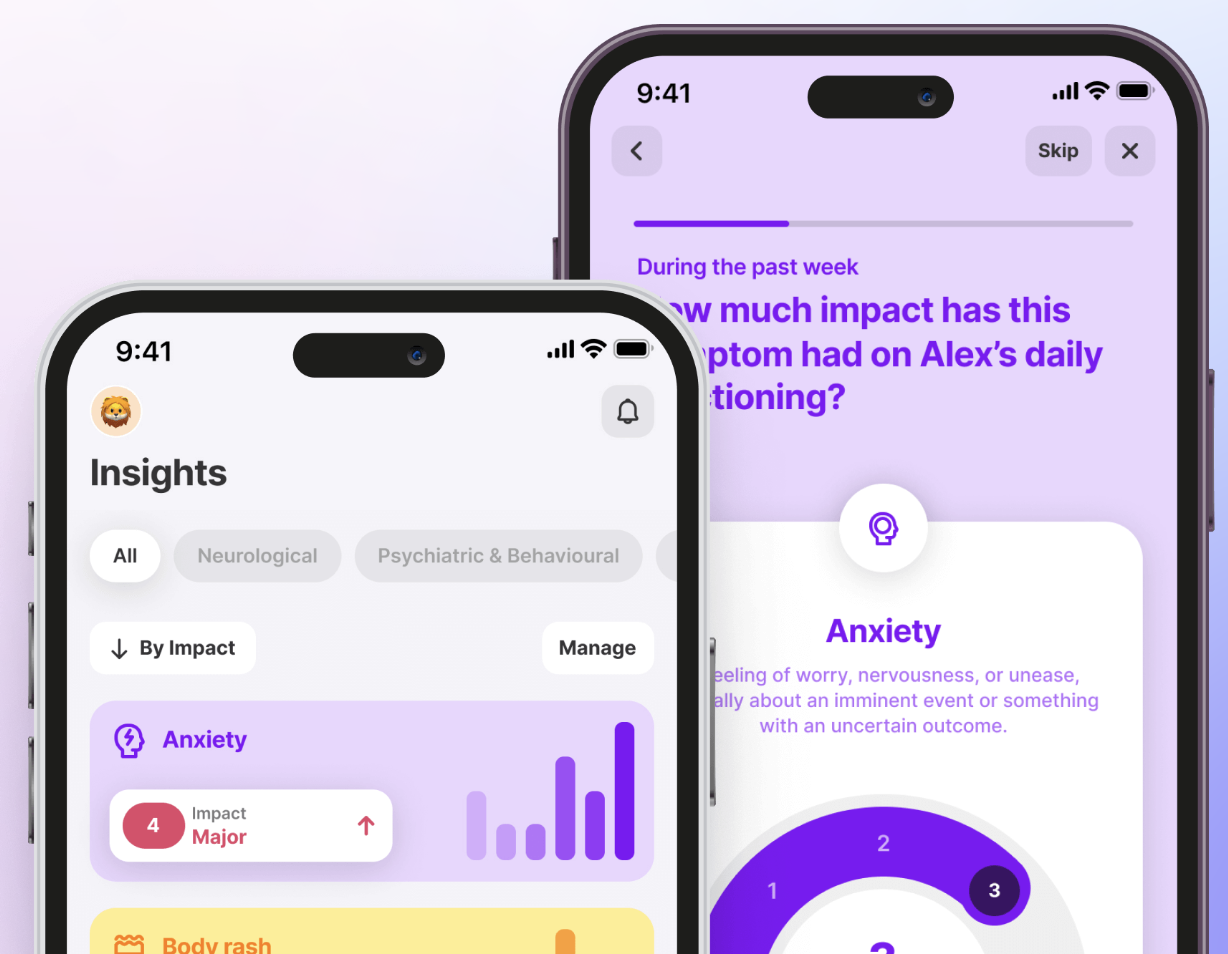
Track & Monitor What Works & What Isn't
With the Human Health app, you can track everything, from medications and dosages, to flare ups and triggers.


Pro tip
Pair snacks with fluids to maximize the blood volume boost.
.png)


