
POTS and seizures: Connection, symptoms & management
October 12, 2025

- POTS doesn’t usually cause epileptic seizures. However, fainting from sudden blood-flow changes can sometimes include brief jerking movements that resemble a seizure.
- Seizures don’t cause POTS. The two conditions affect different systems in the body.
- You can have both conditions. You may need an assessment by both a cardiologist and a neurologist to clarify what’s happening.
- Tracking symptoms can help. Recording triggers like heat, dehydration, or prolonged standing can help you and your healthcare team spot patterns.
Some people with postural orthostatic tachycardia syndrome (POTS) experience fainting episodes or sudden loss of consciousness. These episodes can sometimes include jerky or shaking movements that resemble a seizure.
Because of this, it can be difficult to tell the difference between seizure activity and fainting related to autonomic dysfunction.
In this guide, we’ll walk through how POTS and seizures can overlap, what signs and triggers people often notice, and how tracking your experiences can help you and your healthcare team make sense of what’s happening.
What to understand about POTS and seizures
POTS is a condition where the heart rate rises much more than usual when moving from lying down to standing. This happens because the body’s automatic regulation of blood flow doesn’t work as smoothly as it should.
Seizures, on the other hand, are sudden bursts of unusual brain activity.
The two are very different conditions, but their symptoms can sometimes look similar, especially during fainting spells.

Can POTS cause seizures?
POTS itself does not usually cause epileptic seizures. However, fainting episodes during a POTS flare-up can sometimes include seizure-like convulsions or jerky movements.
A 2023 case report describes a patient with POTS who experienced convulsive movements during fainting and was misdiagnosed for years before a tilt-table test helped reveal the underlying condition.
Can seizures cause POTS?
Doctors still don’t fully understand what causes POTS, but seizures are not considered a cause.
Current research suggests the condition may develop when the autonomic nervous system doesn’t regulate heart rate, blood flow, or blood volume properly. In some people, symptoms begin after illness, injury, or other physical stress, while others develop POTS without a clear trigger.
Can you have both conditions?
Some people live with both POTS and a seizure disorder, but the two conditions are separate. A thorough evaluation by both a neurologist and a cardiologist is usually needed to confirm each diagnosis and guide treatment.
What’s the difference between a POTS episode and a seizure?
Sometimes, a fainting spell from POTS can look a lot like a seizure. Here are a few general patterns:
- When it happens: POTS episodes often occur when standing, especially for long periods or in hot environments.
- Early signs: People may notice light-headedness, nausea, or a racing heartbeat before fainting.
- During the episode: In POTS-related fainting (syncope), loss of consciousness is usually brief, with rapid recovery once the person lies flat.
- After the episode: Seizures may cause a prolonged recovery period, known as the post-ictal state, which includes confusion, drowsiness, or headache lasting more than 10 minutes.
- Movements: Fainting may include brief stiffening or small jerks (myoclonus or tonic movements), but full-body convulsions and prolonged post-event confusion are more typical of seizures.
{{pro-tip-1}}
Shared symptoms and triggers
Some symptoms can appear in either condition. People sometimes report:
- Dizziness or light-headedness
- Brief shaking or jerky movements
- Feeling “out of it” or briefly confused
- Nausea
- Headache before or after an episode
These patterns are not rules. Because fainting and seizures can overlap in appearance, it’s important to share detailed notes about each episode with your healthcare provider to help guide testing and next steps.
Triggers can also vary from person to person, but some seizure triggers overlap in both conditions:
- Dehydration or skipping fluids
- Heat or hot showers
- Standing still for long periods
- Illness or fever
- Stress or emotional strain
- Poor or disrupted sleep
You may find it helpful to keep a daily log of your episodes and what came before them, as this can help reveal your personal patterns.
{{inline-cta-1}}
How to manage POTS and seizures
There is no single plan that works for everyone. Care often involves ongoing conversations with your healthcare team and small adjustments over time.
- Stay hydrated and ask about increasing your salt intake. Many people with POTS are advised to drink more water and adjust their salt (sodium) intake. Always follow your clinician’s guidance before changing fluids or diet.
- Add gentle movement. Light activities (like short walks or using a recumbent bike) may improve circulation in people with POTS.
- Consider using compression garments. Compression stockings or abdominal garments may help improve circulation and reduce symptoms like dizziness.
- Try simple posture changes. Physical counter maneuvers, like leg crossing, forward bending, or avoiding prolonged upright posture, may improve symptoms.
- Avoiding excesisively hot environments. Heat can widen blood vessels and worsen circulation problems, which may increase dizziness or fainting in people with POTS.
- Review medicines and have a safety plan. Ask your doctor to review your medication to see if it might affect heart rate or blood pressure.
- Put a safety plan in place. Having a simple plan with family or friends for what to do during an episode can also help you feel safer.
- Track your symptoms and triggers. Recording information about episodes, heart rate changes, or warning signs can reveal patterns over time.
{{pro-tip-2}}
Can seizure medications make my POTS worse?
Some people taking anti-seizure medicines report side effects like dizziness, fatigue, or changes in blood pressure.
Experiences vary widely, so it’s important to talk with your healthcare provider if you notice new or worsening symptoms. They can review whether the medicine, dose, or timing needs adjusting, or if something else is causing the change.
How doctors diagnose POTS and seizures
Although some episodes can look similar, doctors use different tests to diagnose POTS and seizure disorders.
POTS diagnosis
Doctors usually diagnose POTS by measuring how your heart rate responds to standing.
A common test is the tilt-table test, which monitors heart rate and blood pressure as your body moves from lying down to an upright position.
Doctors also review your symptoms and medical history.
Seizures diagnosis
Seizures are diagnosed by a neurologist.
Doctors may use tests such as an electroencephalogram (EEG) to measure electrical activity in the brain. Brain imaging and a detailed history of the episodes may also help confirm the diagnosis.
Because fainting and seizure-like movements can sometimes overlap, doctors may evaluate both the heart and the nervous system to understand what is causing the symptoms.
Should I see a cardiologist or neurologist?
If you have overlapping symptoms, you might benefit from talking to both types of specialists:
- A cardiologist focuses on heart rate, blood pressure, and circulation, which are key in POTS.
- A neurologist looks at brain and nerve activity to check for seizure-related concerns.
Sometimes these specialists work together to piece together the full picture.
Track all your symptoms & get insights inside the Human Health app
POTS and seizures are very different conditions, but some episodes can look similar—especially when fainting involves jerky movements or brief loss of consciousness. Because of this, understanding what happened before, during, and after an episode can be important for getting the right diagnosis.
Tracking your experiences can help bring clarity over time.
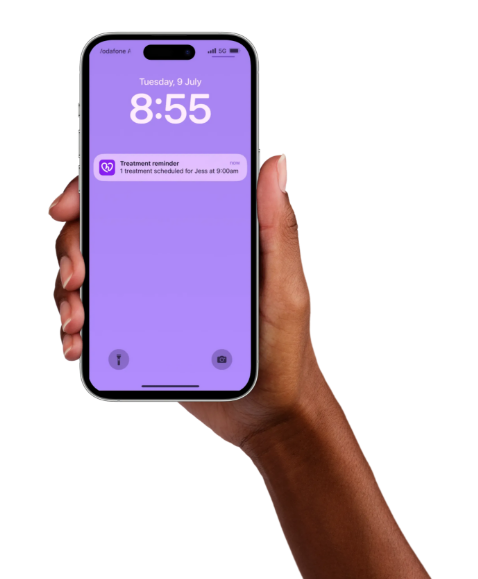
With the Human Health app, you can log symptoms such as heart-rate changes, fainting episodes, seizure-like movements, and possible triggers. You can also record treatments or lifestyle changes alongside your symptoms and export clear PDF summaries to share with your healthcare provider.
Over time, these records can help you and your care team see patterns more clearly and make more informed decisions about testing and treatment.
Start today: with the Human Health app, you can turn daily symptom tracking into practical insights for your next medical appointment.
Disclaimer: Human Health is a health-tracking platform and does not provide medical advice, diagnosis, or treatment. The information in this article is for educational purposes only and is not a substitute for professional medical guidance. Always talk to a qualified healthcare provider about your symptoms and care plan.
References
- Postural Orthostatic Tachycardia Syndrome (2023)
- Epilepsy and Seizures, National Institute of Neurological Disorders and Stroke
- Misdiagnosed Seizure-Like Activity in a Patient With Postural Orthostatic Tachycardia Syndrome: A Case Report (2023)
- Distinguishing Convulsive Syncope from Seizure induced by repetitive Transcranial Magnetic Stimulation (rTMS) - A Case Report (2024)
- Epilepsy Imitators, International League Against Epilepsy
- Chapter 1Clinical Aspects of the Diagnosis of Epileptic Seizures and Epileptic Syndromes (2005)
- Effect of High Dietary Sodium Intake in Patients with Postural Tachycardia Syndrome (2022)
- Exercise and Non-Pharmacological Treatment of POTS (2018)
- One Size Does Not Fit All: An Exploration of Compression Garment Use in Patients With Postural Orthostatic Tachycardia Syndrome (2024)
- Cardiovascular Effects of Antiseizure Medications for Epilepsy (2025)
- Postural tachycardia syndrome (PoTS), NHS
- Seizure Triggers, Epilepsy Foundation
.jpg)
This is a div block with a Webflow interaction that will be triggered when the heading is in the view.

Learn more

Dysautonomia vs POTS: Shared symptoms & differences


POTS flare-up: Triggers, symptoms, and how to cope

Why people with POTS need salt: Benefits & considerations
Can Smoking Cause POTS Syndrome? Effects, Risks, and Advice

Alcohol and POTS: Effects, Triggers & Advice
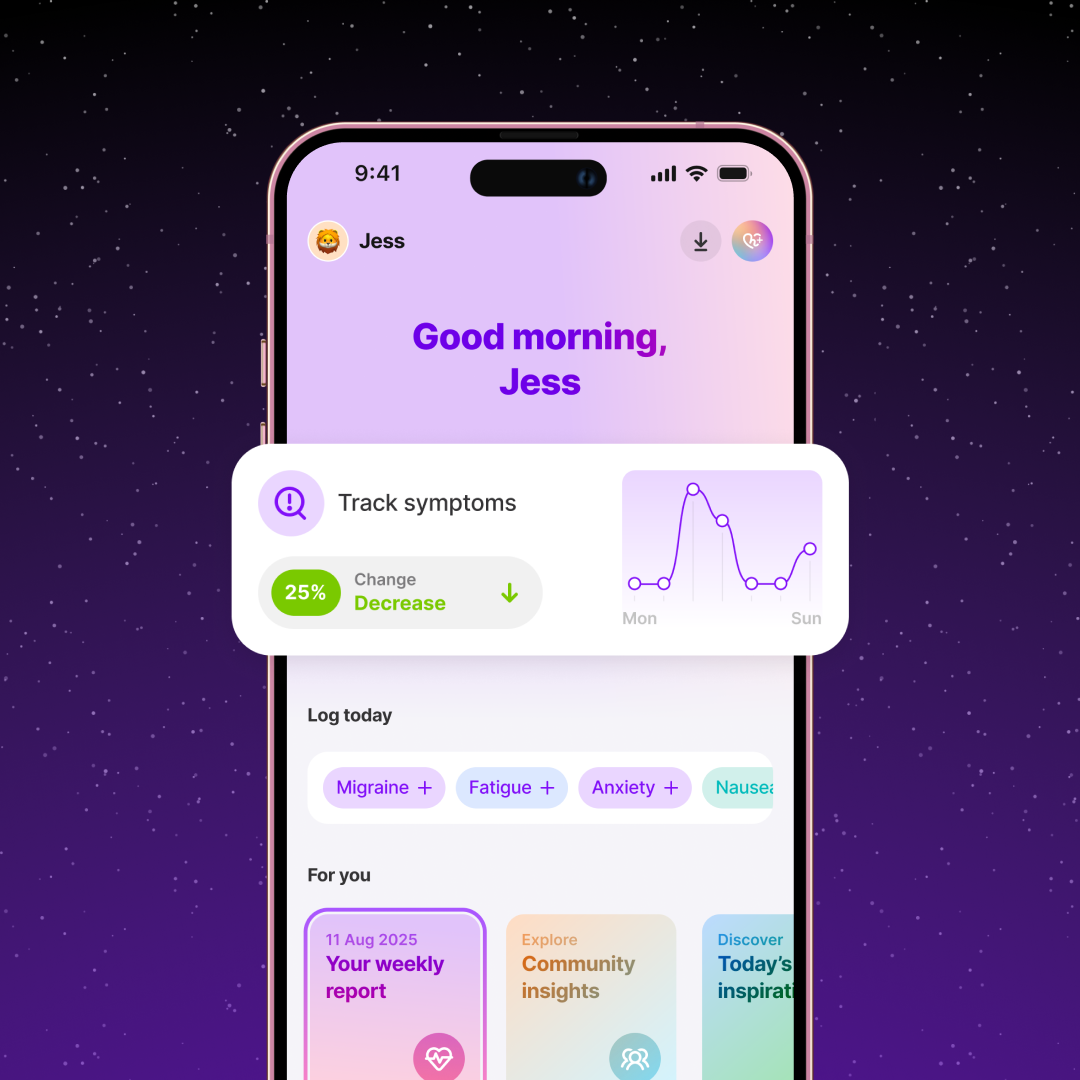
Try it with the Human Health app
Log your daily symptoms, note possible triggers such as heat or stress, and share a PDF summary with your healthcare team to make each visit more informative.


Pro tip
Make a note of the first warning signs you notice, such as dizziness, racing heartbeat, or confusion. Sharing those early details can help your healthcare team tell fainting and seizures apart more clearly.
Pro tip
When you log episodes, include any treatments or lifestyle changes you are trying at the same time. Over weeks or months, this helps show what may be making symptoms better or worse.
.png)


